When it comes to fumigation and pest control, most people think of chemicals, equipment, and techniques. But one of the most important factors that ensure the safety of technicians, clients, and the environment is often overlooked, Personal Protective Equipment (PPE).
In professional pest control training, PPE is not just a requirement; it is a life-saving necessity.
Fumigation involves the use of toxic chemicals that can be harmful when inhaled, absorbed through the skin, or ingested accidentally. Proper PPE provides a protective barrier, reducing exposure to health risks such as:
• Respiratory issues • Skin irritation and burns • Eye injuries • Long-term health complications from chemical exposure
Essential PPE for Pest Control Professionals
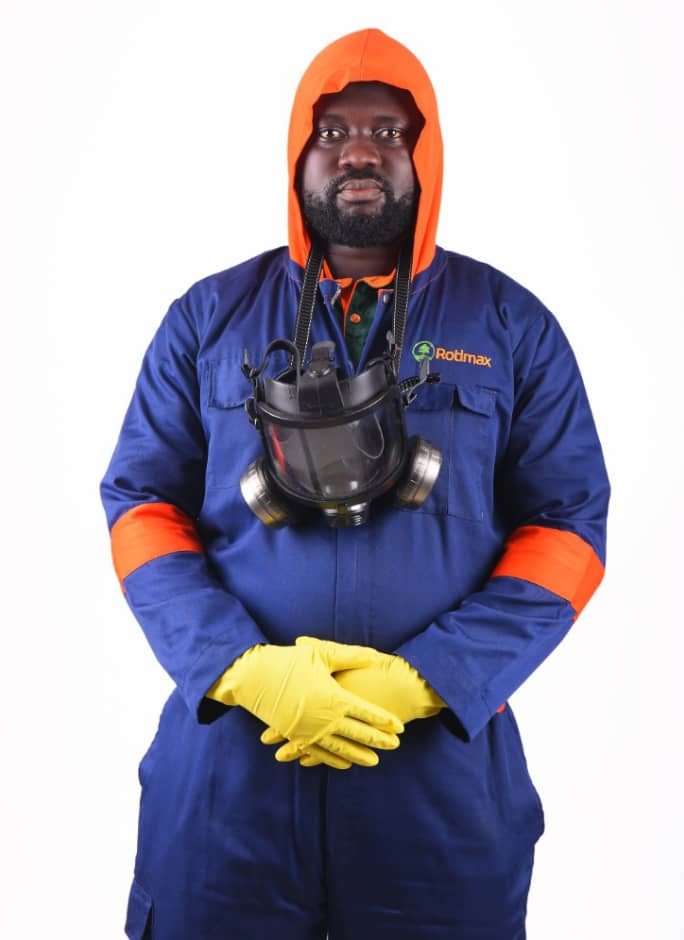
Every fumigator should be equipped with the right protective gear. The standard PPE includes: • Respirators and Face Masks: Protect against inhaling harmful fumes and airborne particles. • Gloves (Chemical-Resistant): Prevent skin contact with hazardous substances. • Protective Clothing / Coveralls: Shield the skin and reduce the risk of contamination. • Safety Goggles or Face Shields: Protect the eyes from splashes and vapors. • Safety Boots: Provide protection from chemical spills and sharp objects.
Training and Correct Usage
Wearing PPE is one thing, but using it correctly is another. This is why structured pest control training is essential. Trainees learn:
• How to select the right PPE for specific fumigation tasks • Proper fitting of respirators and masks • Correct cleaning and maintenance of protective gear • Safe disposal of contaminated PPE
The Role of Employers and Technicians
• Employers must provide quality PPE and ensure workers are trained on its use. • Technicians have a responsibility to wear PPE consistently and follow safety procedures.
PPE may not be as “visible” as foggers, sprayers, or bait stations, but it is the unsung hero that ensures fumigation is carried out safely and professionally. At Rotimax Pest Control Training Academy, we emphasize on PPE training because safety is the foundation of effective pest control.
Remember: Protect yourself first, before protecting others.